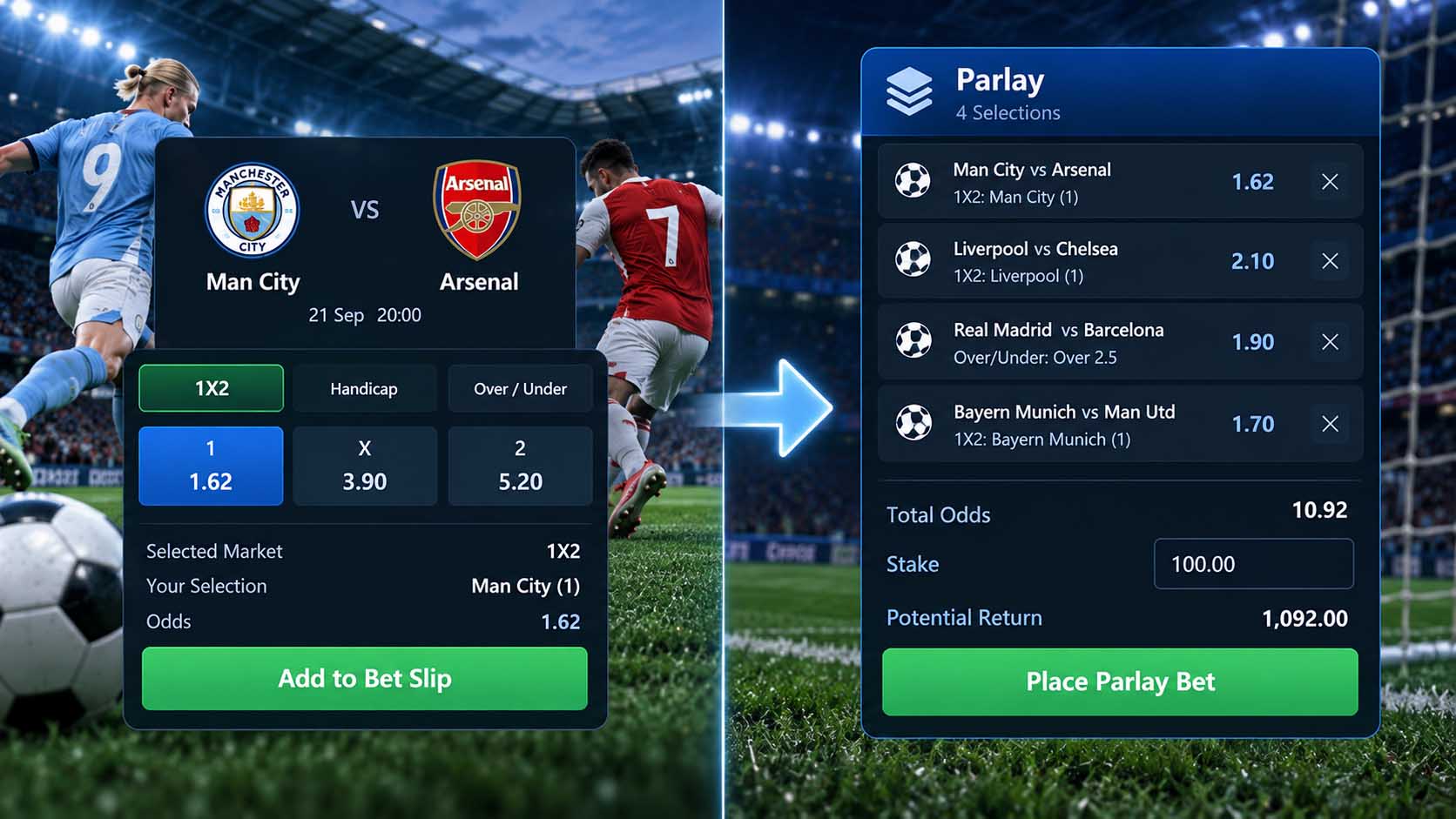
Online entertainment gives people access to countless activities, communities, and interactive experiences. However, finding reliable information can be challenging when search results contain unfamiliar names, promotional claims, and websites with different purposes. The keyword alexistogel is one example of a search term that users may encounter while exploring online gaming-related content. Understanding how to evaluate unfamiliar platforms can help people make more informed decisions.
Rather than relying on a name or advertisement alone, users should examine the information behind a website. A careful approach helps protect personal information, reduce exposure to misleading claims, and encourage responsible internet use.
Why People Search for Alexistogel Online
People search for unfamiliar online terms for several reasons. Some want to understand a platform, while others are looking for entertainment information, account guidance, or general explanations. Search intent can vary significantly, so readers should identify what they actually want to learn before following a result.
When researching alexistogel, it is useful to consider the context in which the term appears. Search listings, discussion pages, and third-party references may describe different services or use similar language without providing the same information.
A quick search should therefore be treated as a starting point rather than proof that a website is reliable. Reading beyond the headline can reveal whether a page provides useful details or simply encourages visitors to click through.
How to Evaluate an Unfamiliar Website
Website evaluation is a practical skill for anyone who uses the internet. A professional design may create a positive first impression, but appearance alone does not establish credibility.
Before interacting with an unfamiliar platform, review these points:
- Ownership information: Check whether the website identifies its operator and provides a way to contact the responsible organization.
- Terms and conditions: Read the rules carefully, especially when an activity involves payments, accounts, or personal information.
- Privacy policy: Look for clear explanations of how information is collected, stored, and shared.
- Security practices: Check whether the website uses a secure connection and provides understandable account-protection guidance.
- Independent information: Compare claims with reliable sources instead of accepting promotional statements as facts.
These checks help users recognize warning signs before sharing sensitive details or making financial decisions.
Understanding Privacy and Account Protection
Personal information has value, and users should be selective about where they provide it. Some websites request names, email addresses, phone numbers, payment details, or identity documents. Before submitting anything, consider whether the information is genuinely necessary.
Use unique passwords for different accounts. A password manager can help create and store stronger passwords without requiring users to remember every combination. Where available, enable two-factor authentication for an additional layer of protection.
It is also wise to avoid logging into unfamiliar services through links received in unsolicited messages. Instead, independently verify the website address and look for signs of impersonation or suspicious redirects.
Responsible Decisions Around Online Gaming
Online gaming can involve different forms of entertainment, including casual games, competitive experiences, and gambling-related activities. These categories should not be treated as interchangeable because their risks and rules can differ.
Where real-money gaming is involved, users should understand the legal requirements in their location before participating. They should also recognize that gambling outcomes are uncertain and that no strategy can guarantee a win.
Setting personal limits can help prevent entertainment from interfering with everyday responsibilities. Never use borrowed money or funds intended for essential expenses to participate in gambling. If an activity causes financial stress or becomes difficult to control, stepping away and seeking appropriate support is a sensible decision.
Checking Links Before Visiting Websites
Links are useful for discovering information, but they can also lead to unrelated or misleading destinations. A link’s anchor text does not always accurately describe the page it opens.
For example, readers researching alexistogel may encounter references that lead to websites covering entirely different subjects. One such example is the alexistogel link, which directs visitors to a medical profile rather than an online gaming resource. This difference demonstrates why checking the destination matters before trusting a link.
Always review the actual domain and page content. If a link redirects unexpectedly, requests unnecessary personal information, or makes unrealistic promises, leave the page rather than continuing.
Building Better Online Research Habits
Good research does not require complicated technical knowledge. A few consistent habits can make browsing more productive and safer.
Start by comparing information from multiple independent sources. Look for specific explanations rather than vague promises. Check publication dates when information may change, and distinguish factual guidance from advertising or personal opinions.
It is also useful to question claims that sound unusually attractive. Promises of guaranteed financial returns, effortless rewards, or risk-free gambling deserve particular caution. Reliable information should explain limitations and potential risks instead of hiding them.
Final Thoughts
Searching for alexistogel or any unfamiliar online term should encourage careful research rather than immediate trust. Understanding a website’s purpose, checking its policies, protecting personal information, and recognizing misleading links are useful habits across the internet.
Online entertainment is best approached with awareness and clear boundaries. By checking sources before acting and making decisions based on verifiable information, users can navigate unfamiliar websites more confidently.