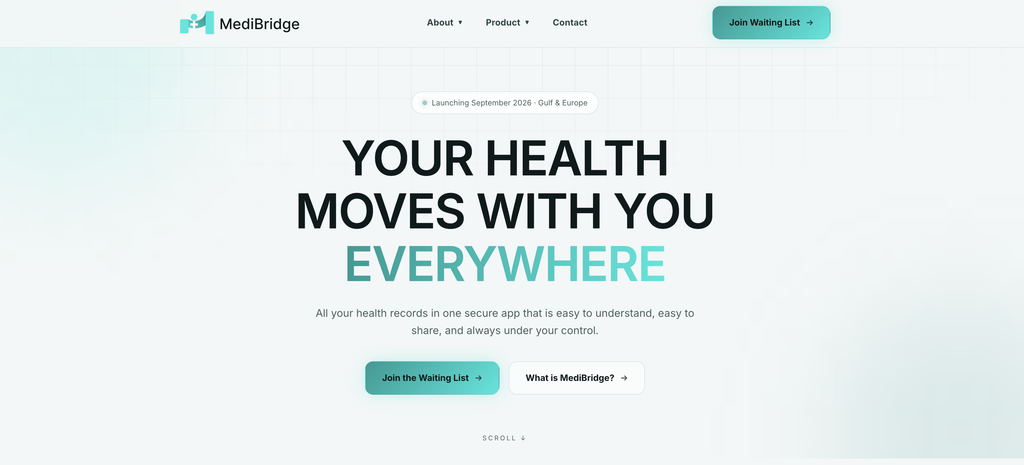
Digital health platforms are becoming an important part of modern healthcare data platform. They help providers manage information, communicate with patients, support remote care, and improve everyday workflows. However, choosing the right platform requires more than looking at the initial price. Businesses must also consider features, security, integration, maintenance, and long-term value.
What Is a Digital Health Platform?
A digital health platform is a technology solution that connects different healthcare services, tools, and data in one environment. Depending on its purpose, it may support electronic records, telehealth, patient communication, health tracking, analytics, or care management.
A well-designed healthcare data platform can also help organize information from different sources. This makes it easier for authorized healthcare professionals to access useful data when making care decisions.
How Much Does a Digital Health Platform Cost?
There is no single price for a digital health platform because costs depend on its size, features, and development approach.
Development and Setup Costs
Building a custom platform usually costs more at the beginning than using an existing solution. Development costs can include:
- User interface and experience design
- Software development
- Database setup
- Cloud infrastructure
- Testing and quality assurance
- Data migration
- Third-party integrations
A simpler platform may have a lower initial cost, while a complex healthcare data platform with advanced analytics and multiple integrations can require a much larger investment.
Subscription and Licensing Fees
Some organizations choose ready-made platforms that use monthly or annual subscriptions. This approach can reduce upfront development costs, but recurring fees should be included in the long-term budget.
Pricing may depend on the number of users, patients, storage requirements, features, or transactions.
Maintenance and Support
Technology costs do not end after launch. Platforms need regular updates, security improvements, technical support, backups, and performance monitoring.
Organizations should include these ongoing expenses when calculating the total cost of ownership.
What Factors Affect Digital Health Platform Costs?
Several factors can significantly change the overall investment.
Features and Functionality
Basic platforms may only need patient profiles, scheduling, messaging, and reporting. More advanced solutions may require artificial intelligence, remote monitoring, clinical decision support, analytics, or personalized care tools.
The more features a platform includes, the more development and testing it may require.
Data Integration
Healthcare organizations often use multiple systems. A healthcare data platform may need to connect with electronic health records, laboratory systems, pharmacy software, wearable devices, or other healthcare applications.
Strong integration can improve data flow, but building and maintaining these connections can increase project costs.
Security and Compliance
Healthcare information is highly sensitive. A digital health platform should include strong access controls, encryption, secure authentication, audit logs, and appropriate data protection measures.
Compliance requirements can also affect development, testing, documentation, and ongoing monitoring costs. Cutting corners on security may create much bigger financial and reputational problems later.
How Can Organizations Control Costs?
Cost control does not necessarily mean choosing the cheapest platform. Instead, organizations should focus on value.
Start by identifying the most important problems the platform needs to solve. Avoid paying for unnecessary features that users may never need.
A phased approach can also help. Organizations can launch essential functions first and add more capabilities as needs grow. Choosing a scalable healthcare data platform can make this approach easier.
It is also important to compare vendors carefully. Look beyond the advertised price and ask about implementation, integrations, support, upgrades, data storage, and contract terms.
What Should You Consider Before Choosing a Platform?
Before making a decision, ask these questions:
- Does the platform meet current healthcare needs?
- Can it scale as the organization grows?
- How securely is patient data stored and transferred?
- Can it integrate with existing systems?
- Is the platform easy for staff and patients to use?
- What support is included?
- What are the ongoing costs?
- Can data be exported if the organization changes providers?
These questions can help organizations avoid unexpected expenses and choose technology that delivers lasting value.
Conclusion
The cost of a digital health platform depends on much more than its initial purchase or development price. Features, integrations, security, maintenance, scalability, and support all influence the total investment.
For organizations handling large amounts of health information, a reliable healthcare data platform can provide significant long-term value by improving data management, supporting better workflows, and connecting important healthcare systems. The best choice is not always the cheapest option—it is the platform that balances cost, functionality, security, and future growth.